November 9, 2019
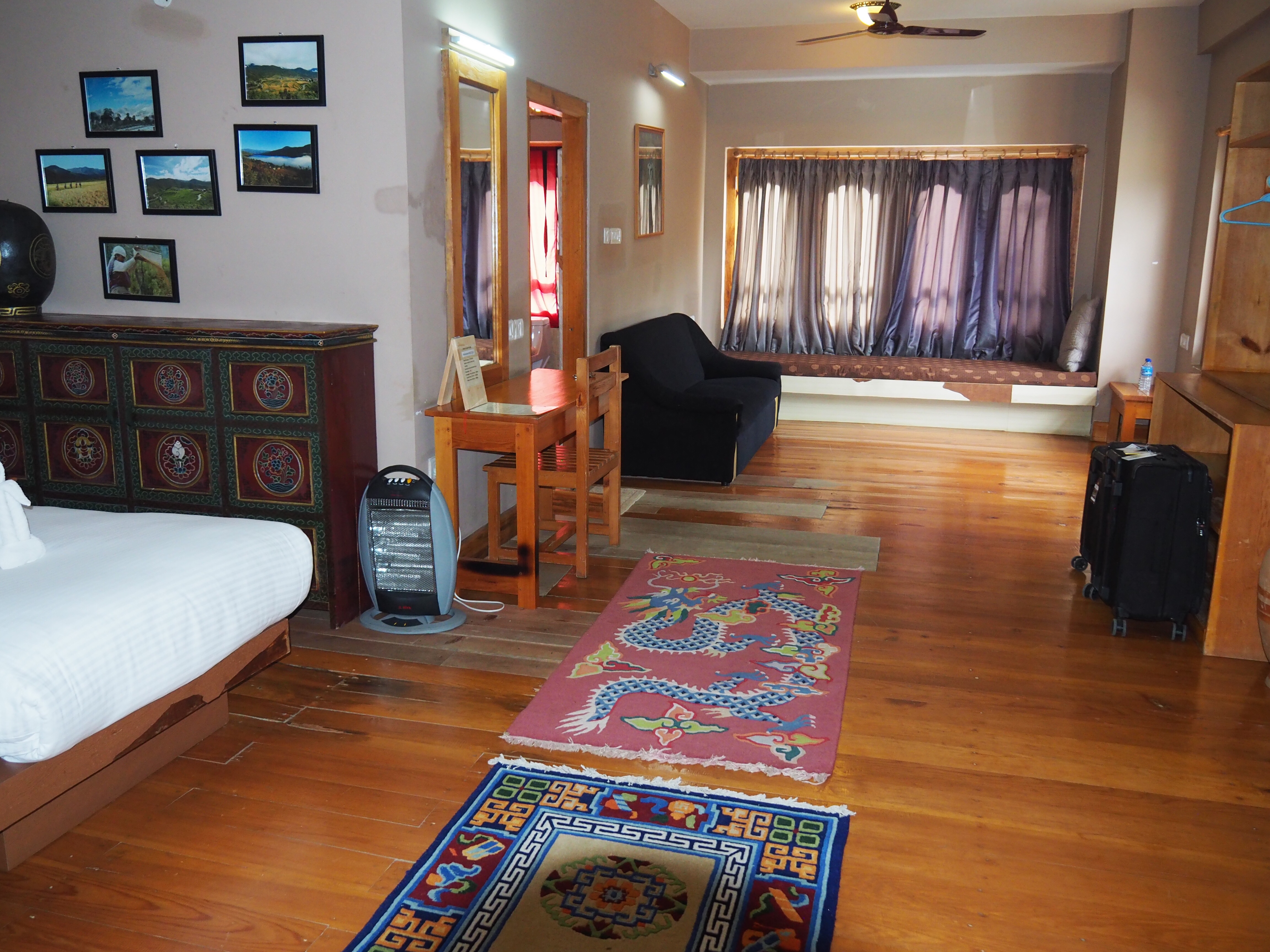
The stray dogs in Punakha seem to be night owls like the ones in Thimphu! They awakened me at some point in the middle of the night! Otherwise, my room in this very simple hotel provided a decent night’s sleep. With enough beds, my room could easily sleep eight people. We were told this is a “medium” hotel which is probably the best there is around here.
We had a bit of an earlier start today so that we could begin our three hour hike before it got too hot. What had been described to us as a “walk” to visit local villages and farmland turned out to be a serious hike in the mountains without a village to be seen anywhere along the way. I should have known when they handed us each a walking stick that this wasn’t going to be a stroll! While the views were pretty, after about an hour I had had enough and we still had two hours to go. Kathy tracked it and we walked five miles and climbed the equivalent of 29 flights of stairs. I kept asking Wang when we would see the villages and he kept saying further along the way we would see them! I guess we need to think of it as training for our visit to the Tiger’s Nest on Monday.
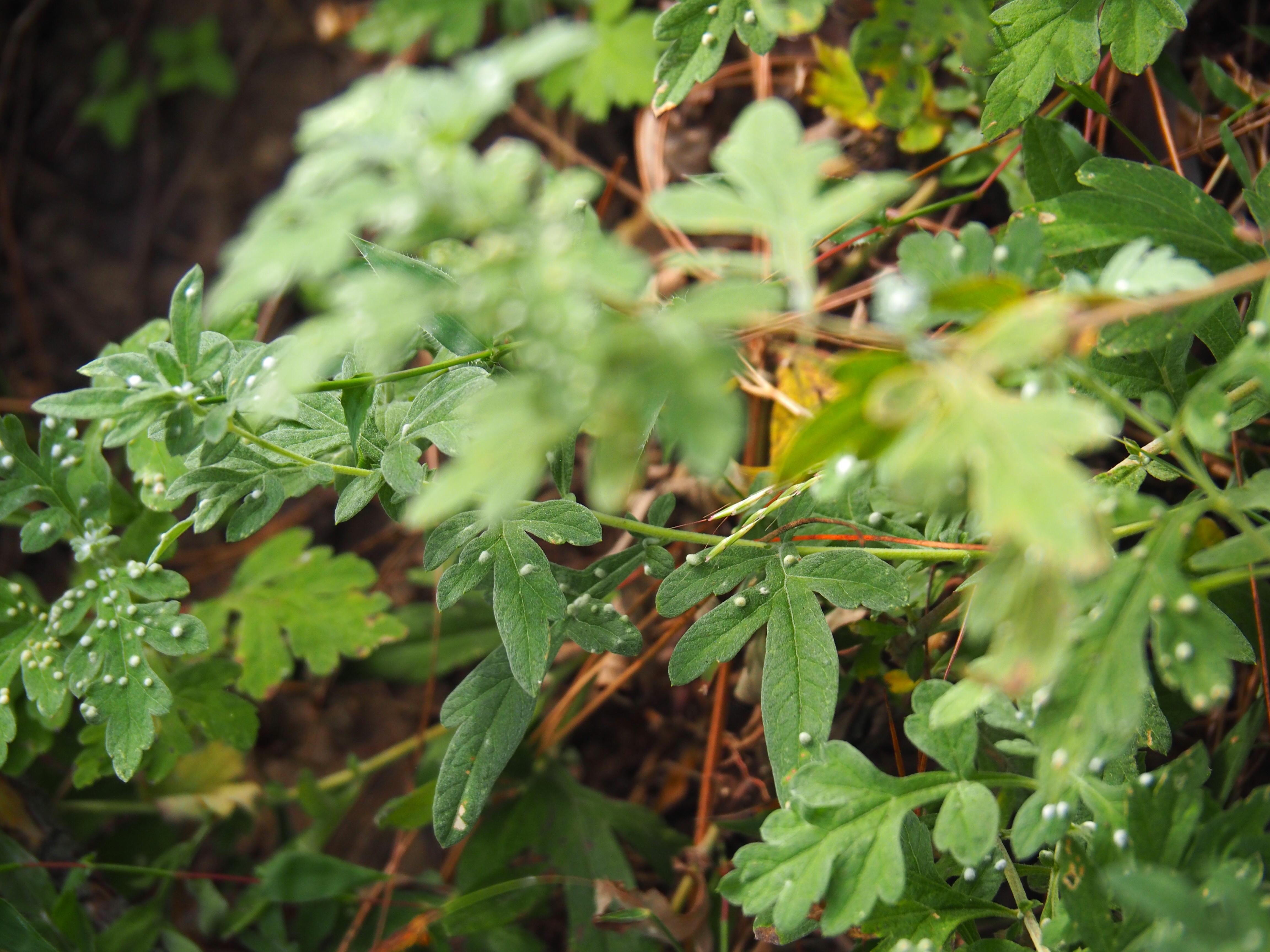
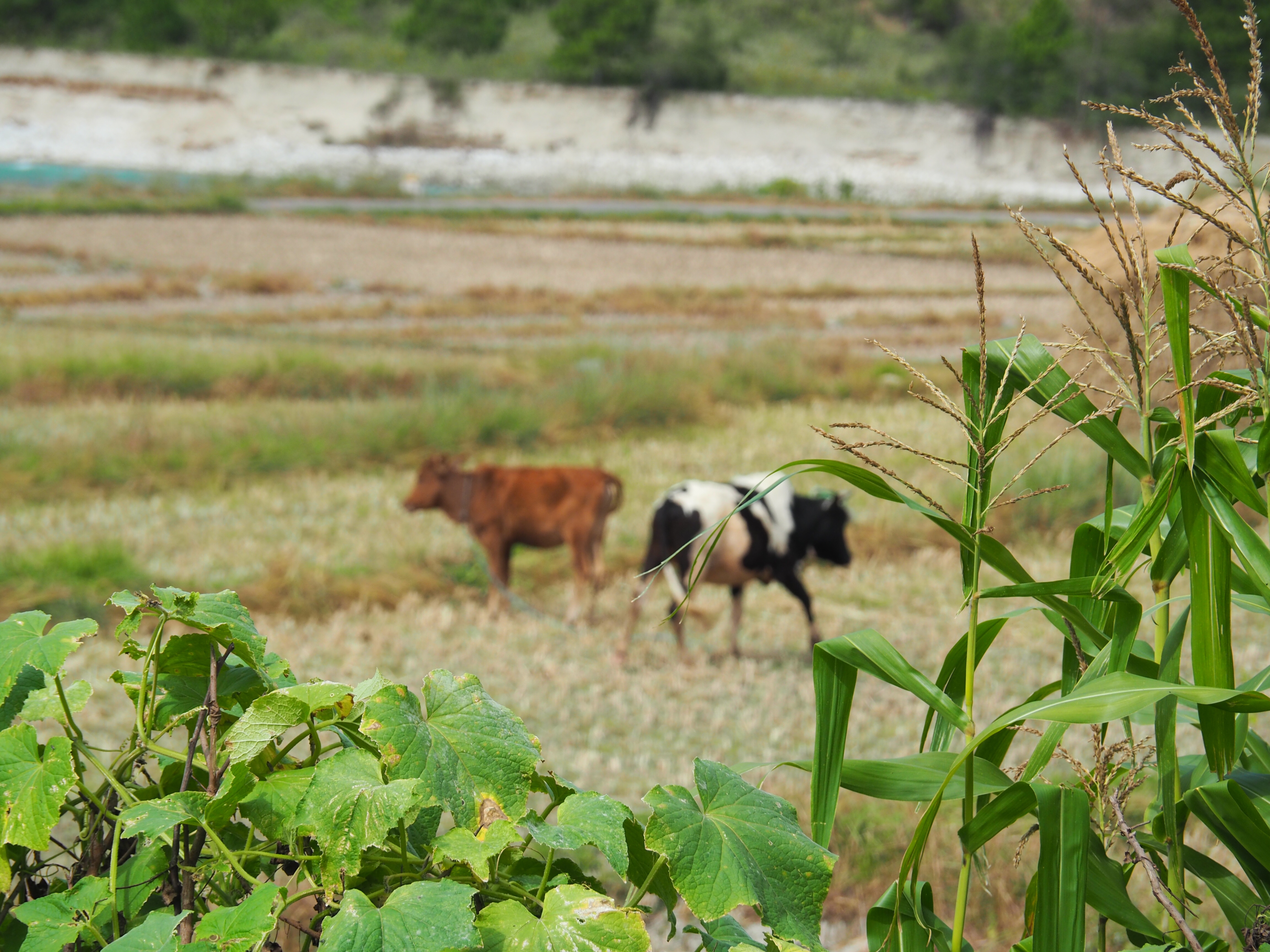
Here are some scenes from the walk.
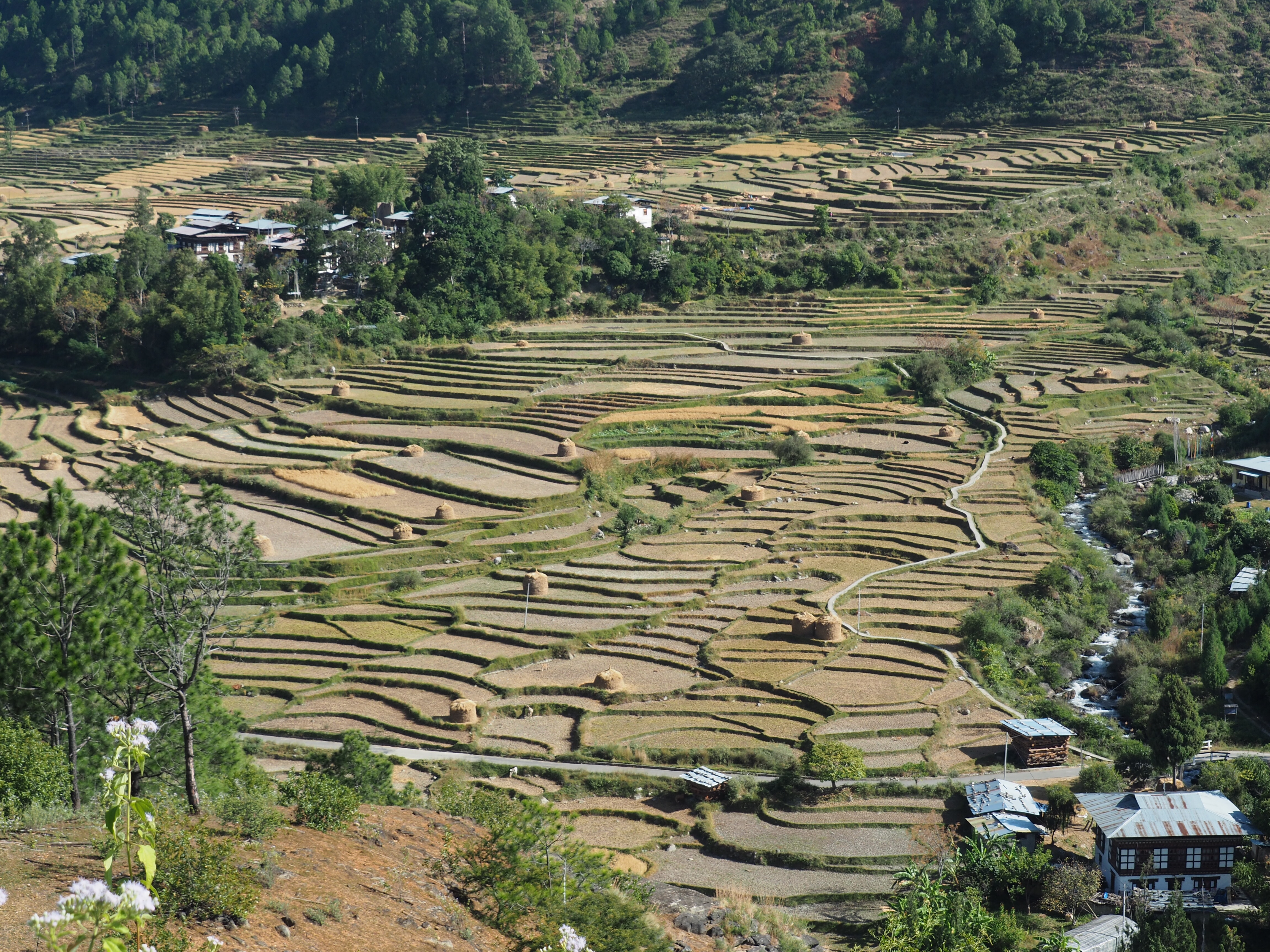
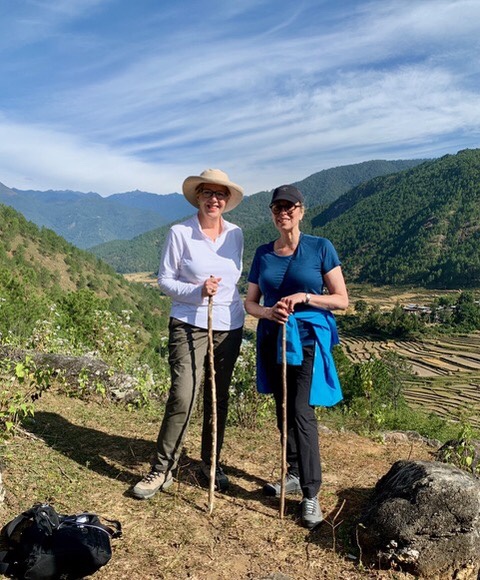
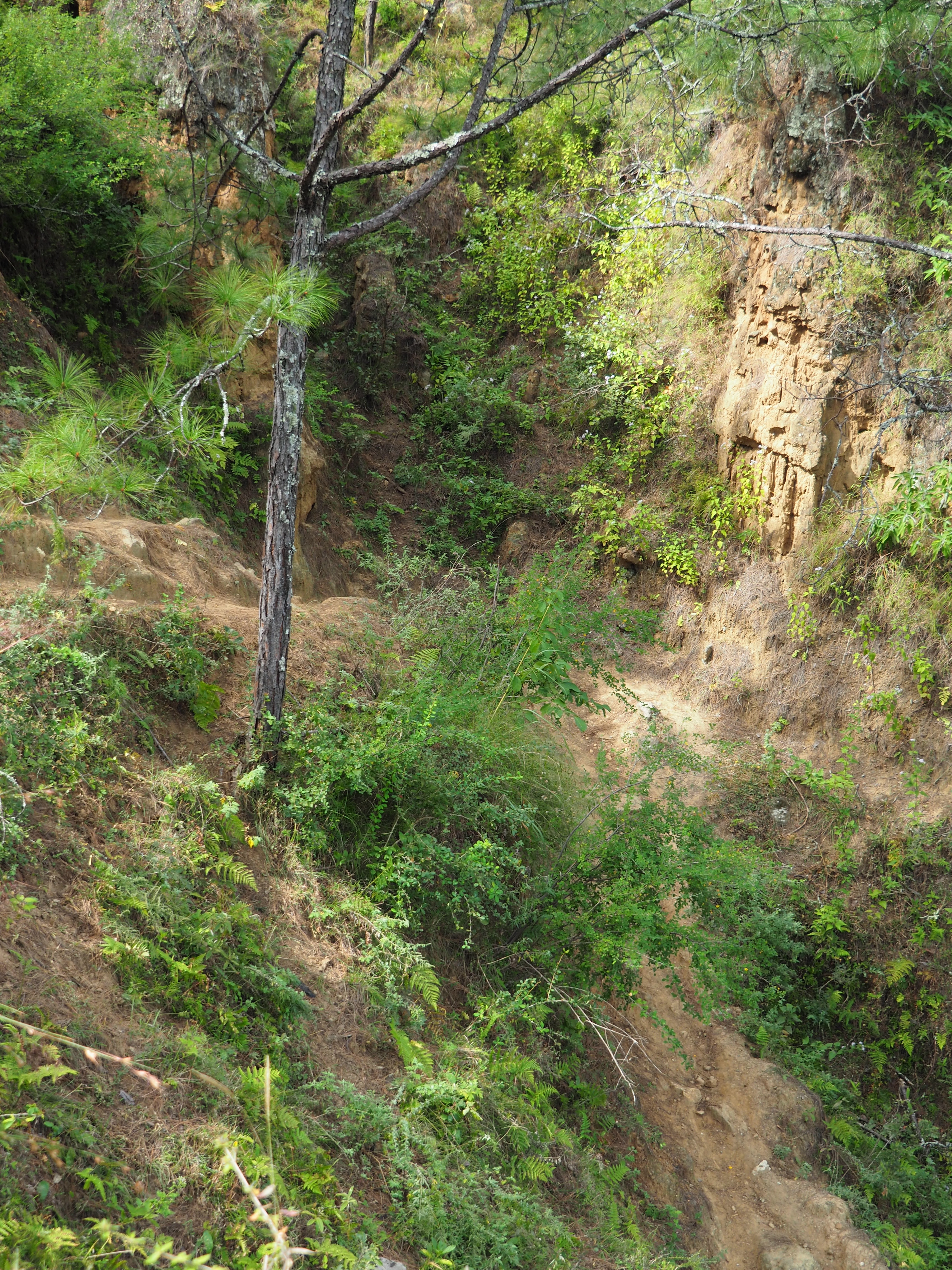
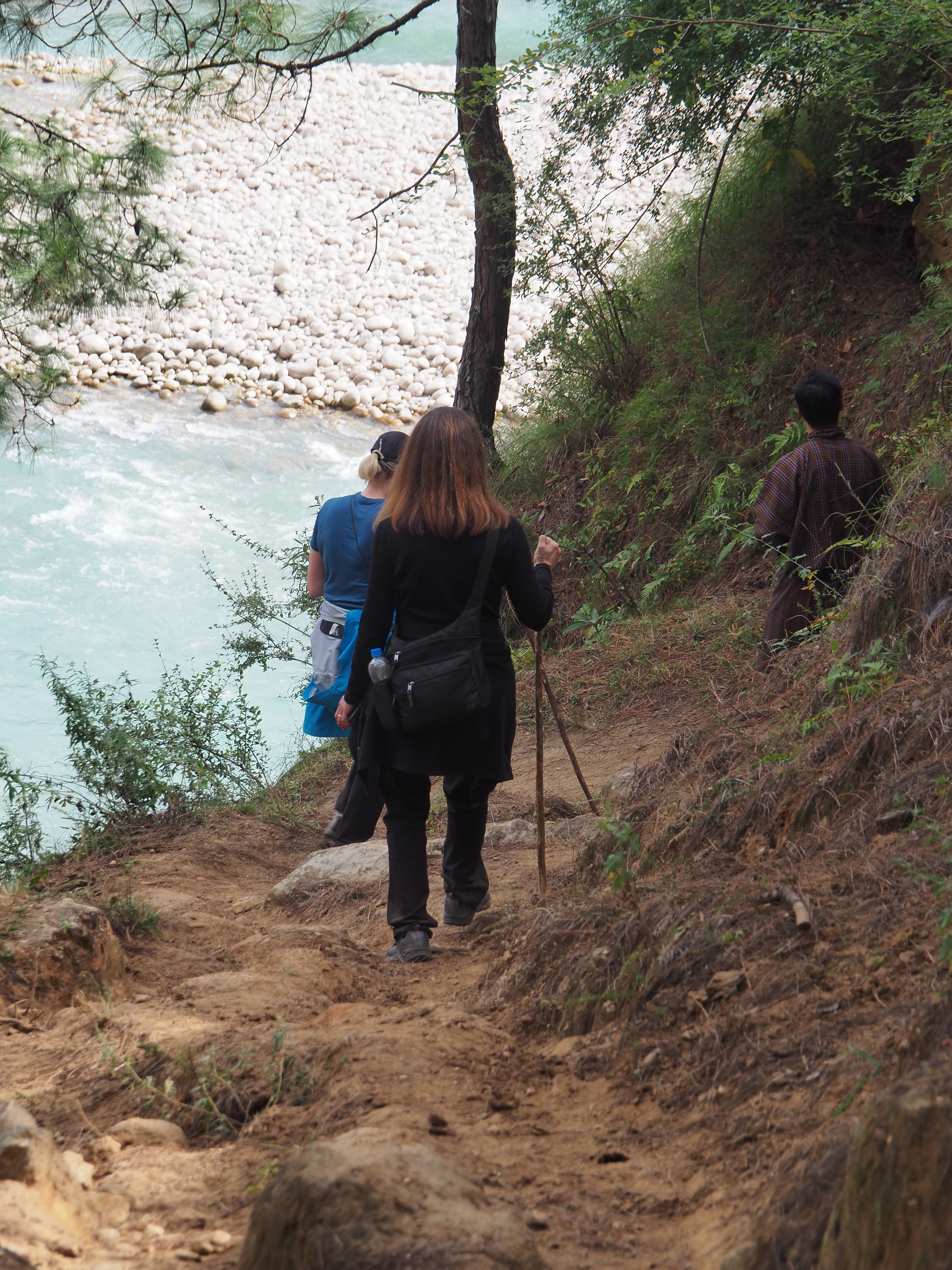
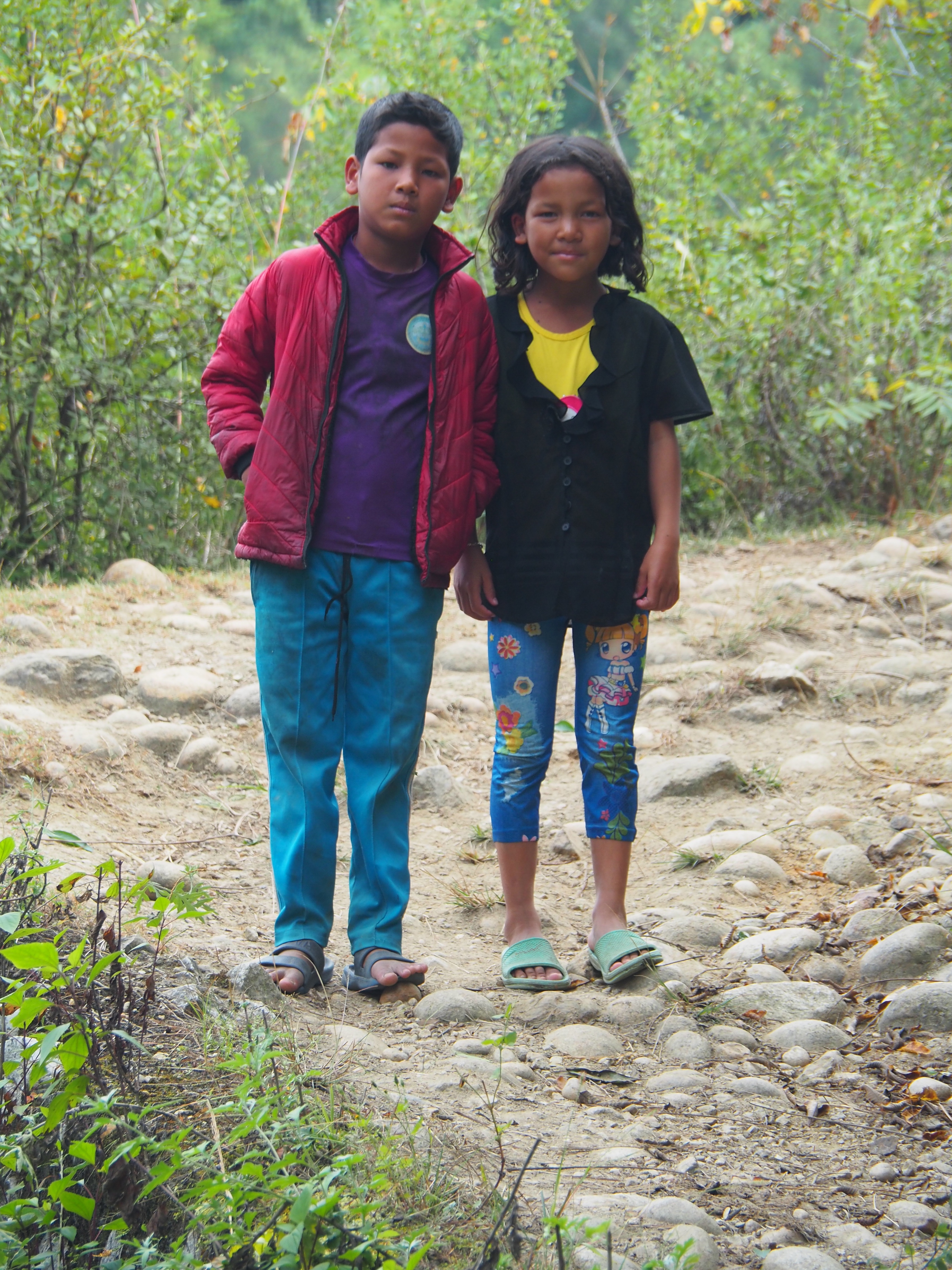
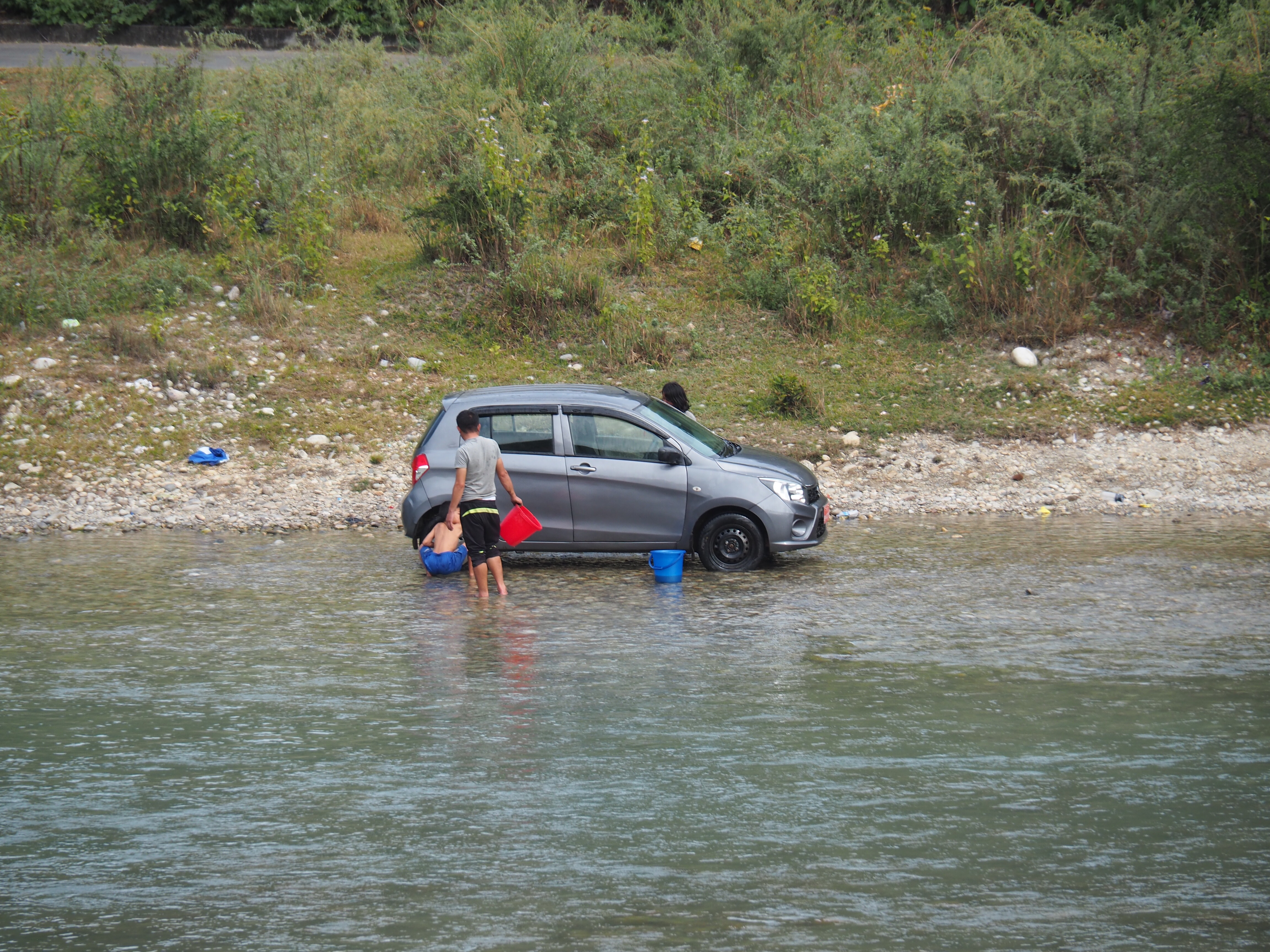
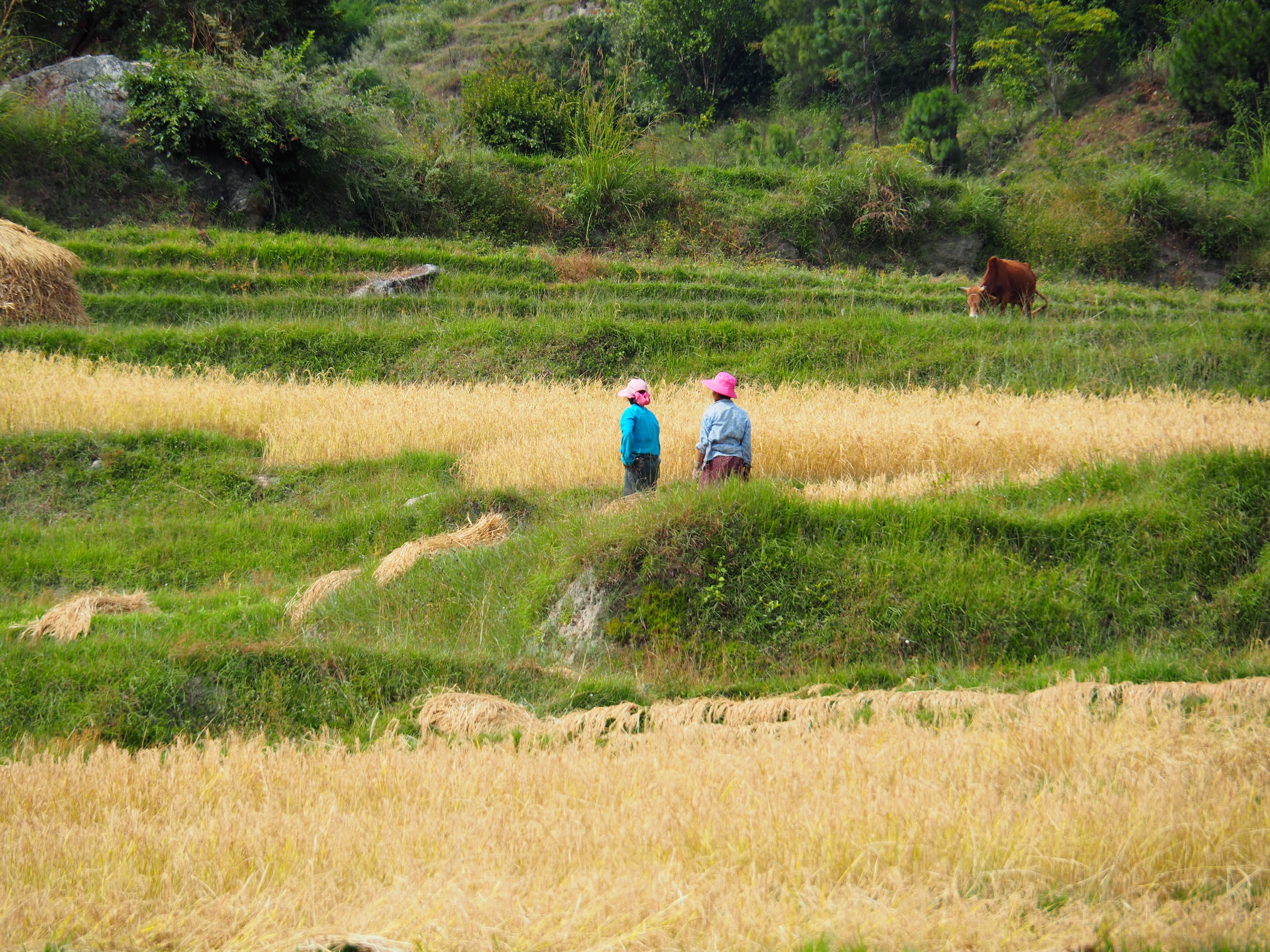
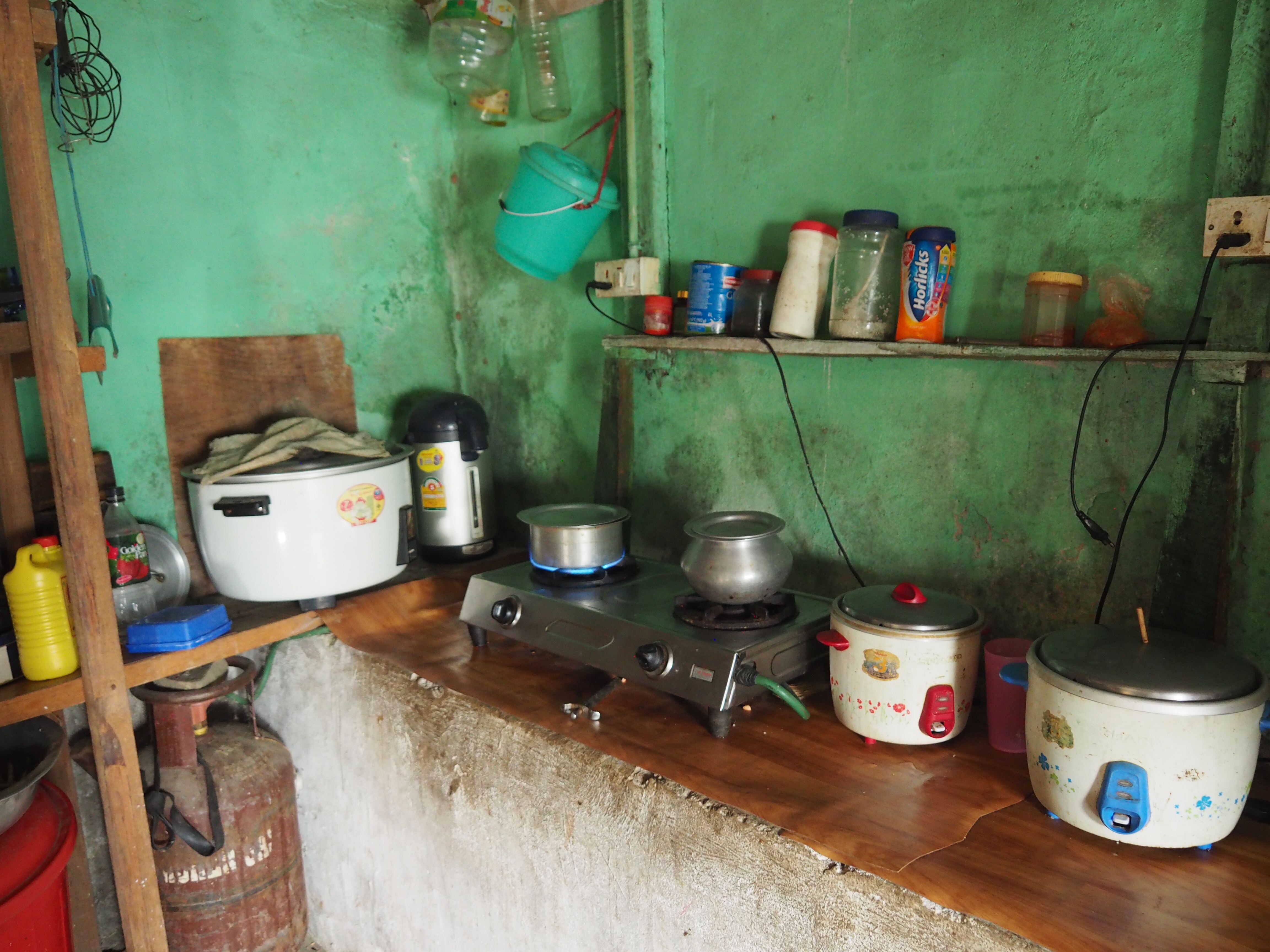
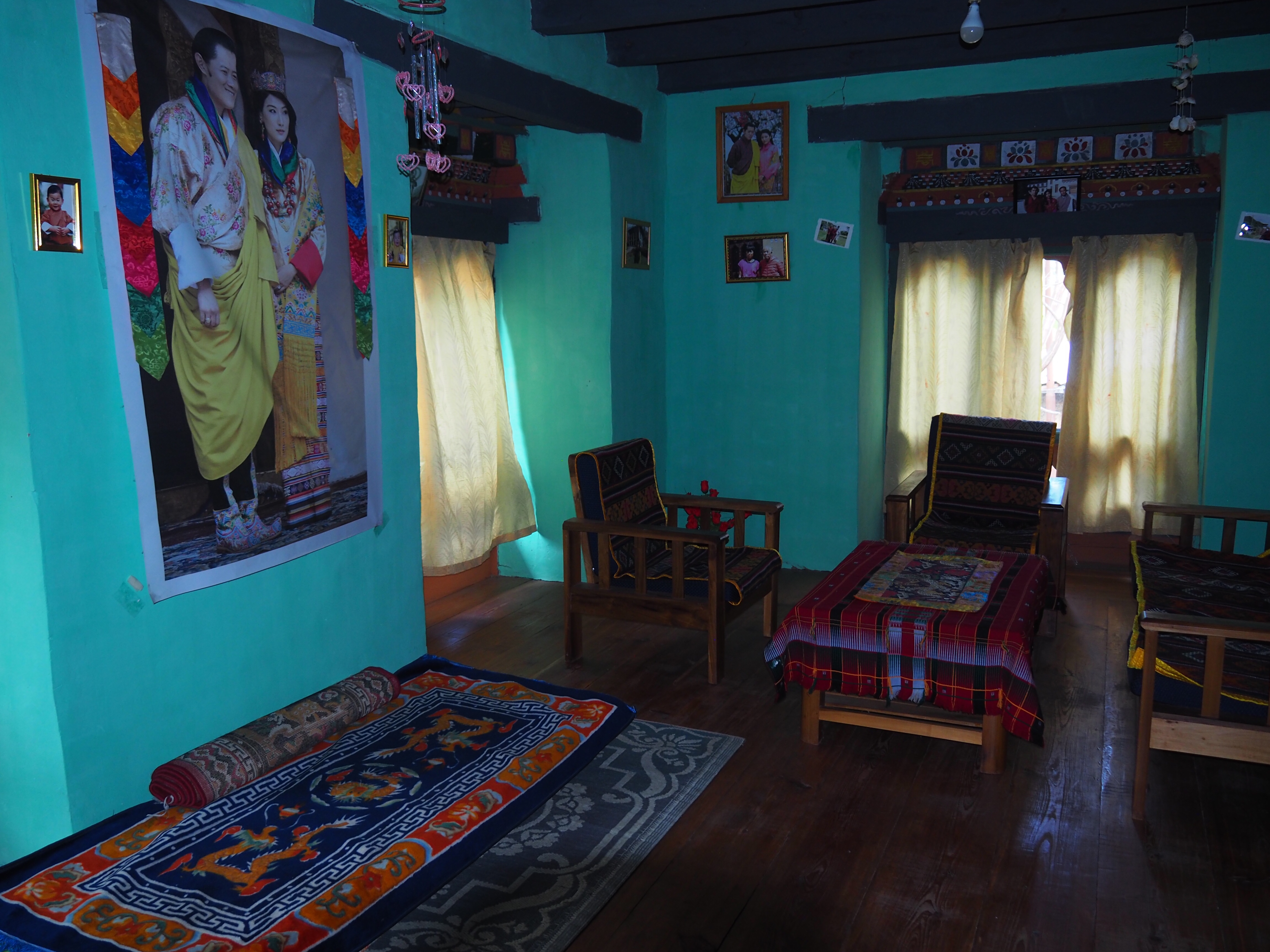
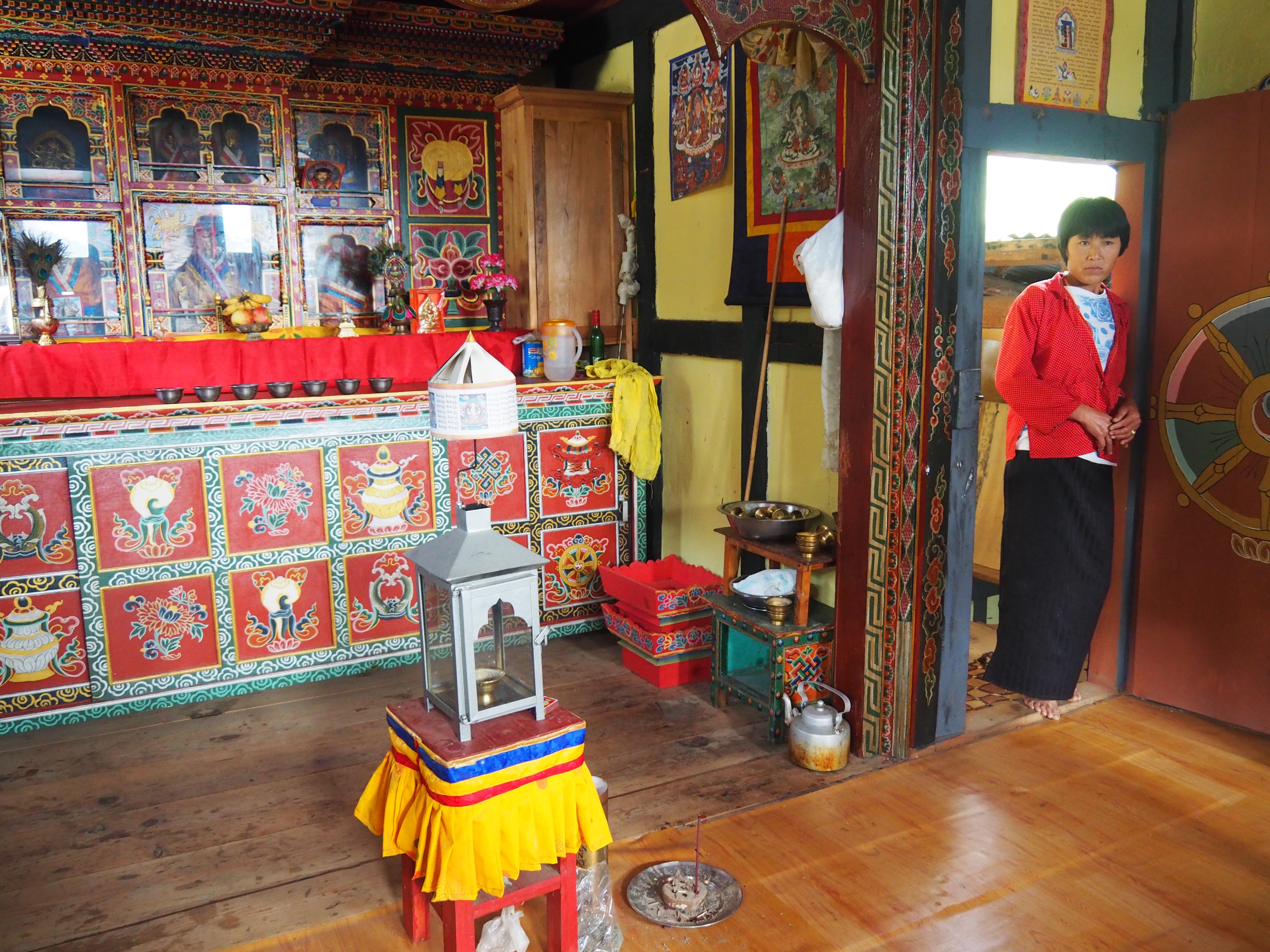
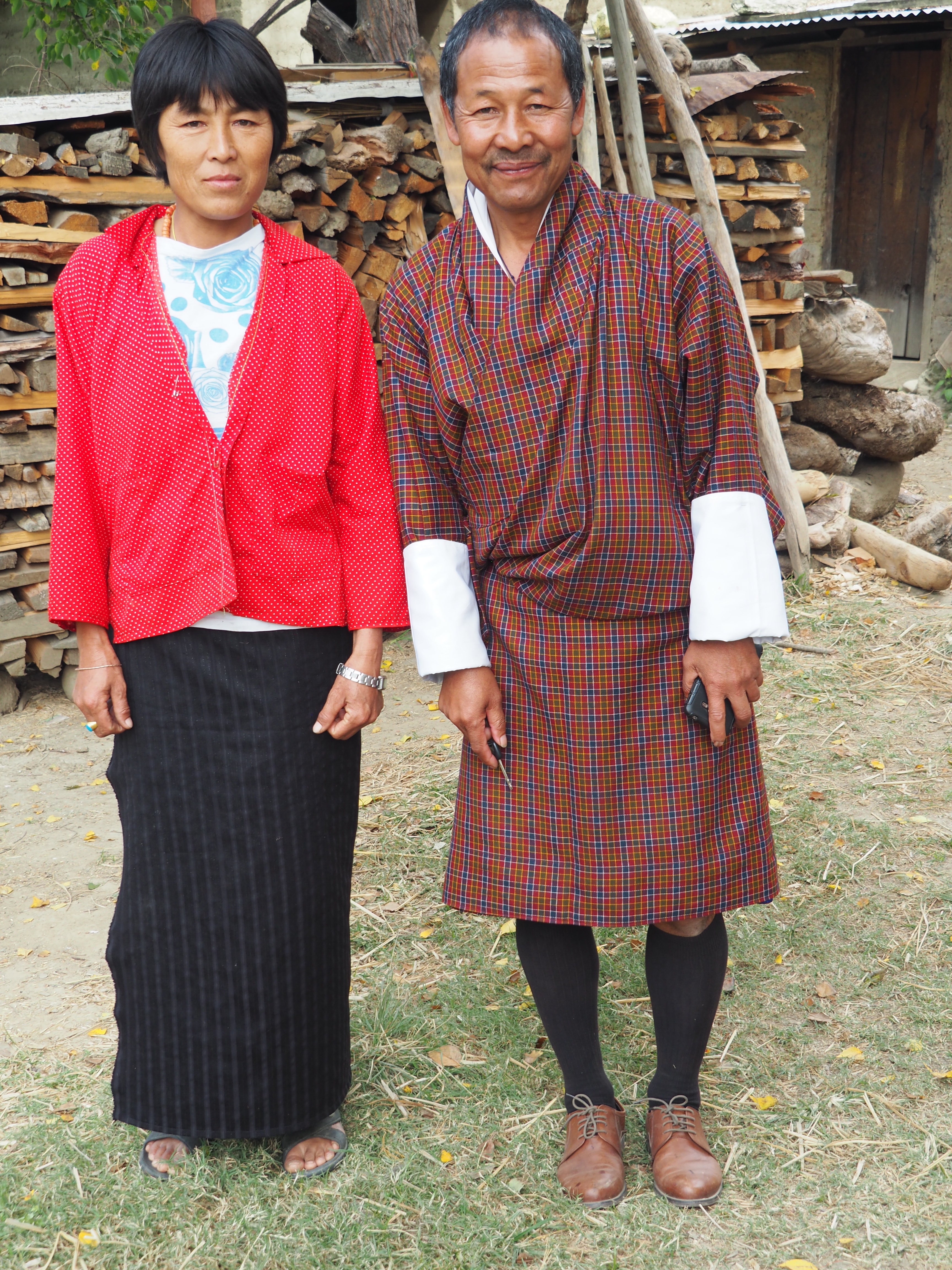
When we finished, I think Wang understood that he had three unhappy campers in his midst since we hadn’t seen anything we had been promised. He said that the farmers are all out harvesting the crops and can’t receive visitors. I’m not sure who we would have visited up on the mountaintop! Mr. Poo came to the rescue! He is from this area and he called a friend who is a local farmer and we were able to visit his house. It is his wife’s 2 acre farm that she inherited from her parents. She was in from the fields to fix lunch and welcomed us and showed us around.
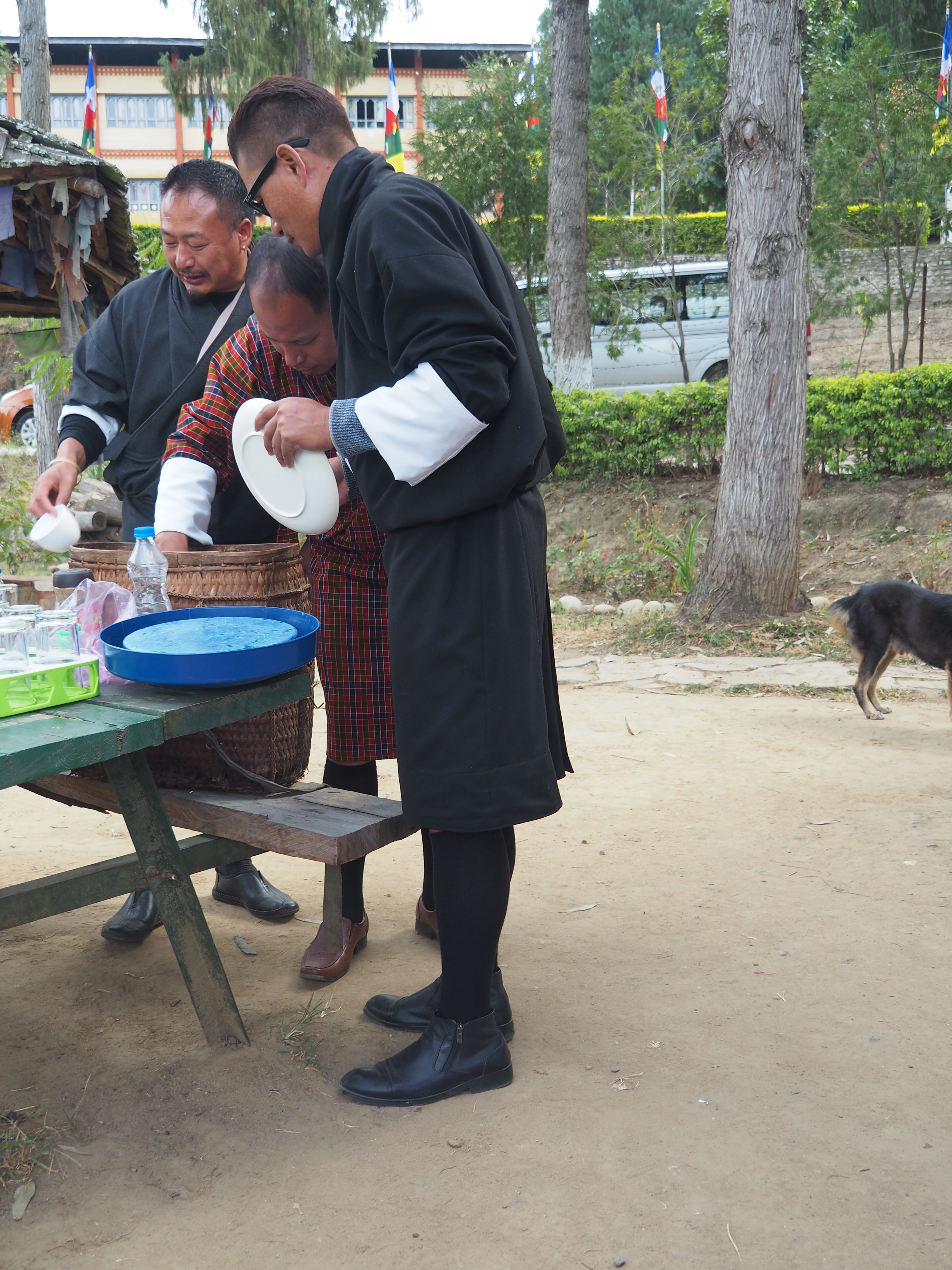
Our next stop was lunch. We dined at a spot overlooking one of the rivers, where we could see the Dzong we visited yesterday. The setting was nice. There is a woman who operates a restaurant and they bring the food to this place for tourists to have a meal. When we arrived there were a number of people there already who were waiting for the food to arrive. There was a woman who was alone at a table, they made her move and put us at her table!
Wang had planned to take us on another hike, this one was to be 45 minutes to an hour straight uphill to visit a temple. At the end of the other “walk” we all informed him that we weren’t going. Instead we took a walk around the city of Punakha. There really isn’t much to see, there are shops of various kinds and some restaurants.
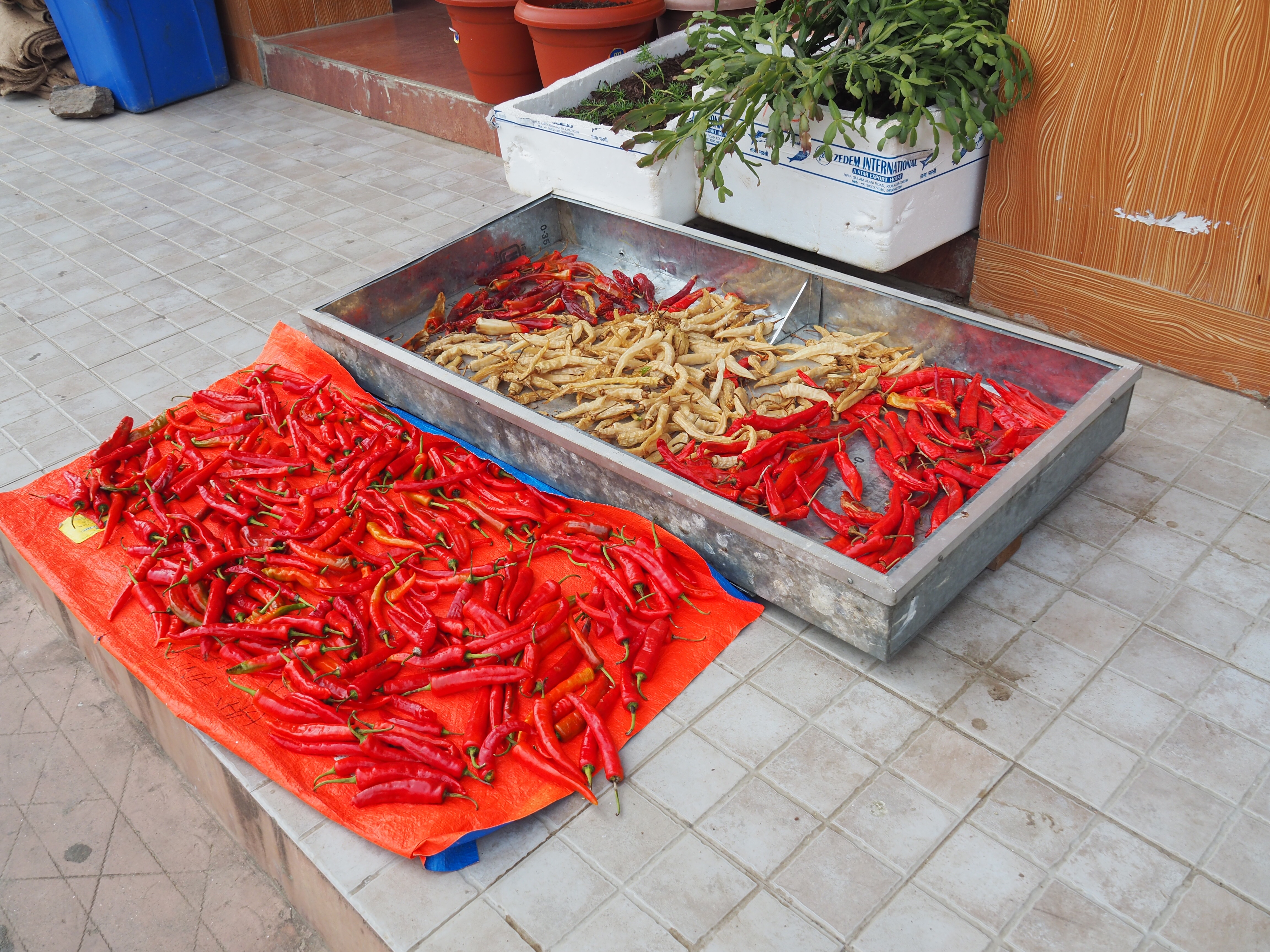

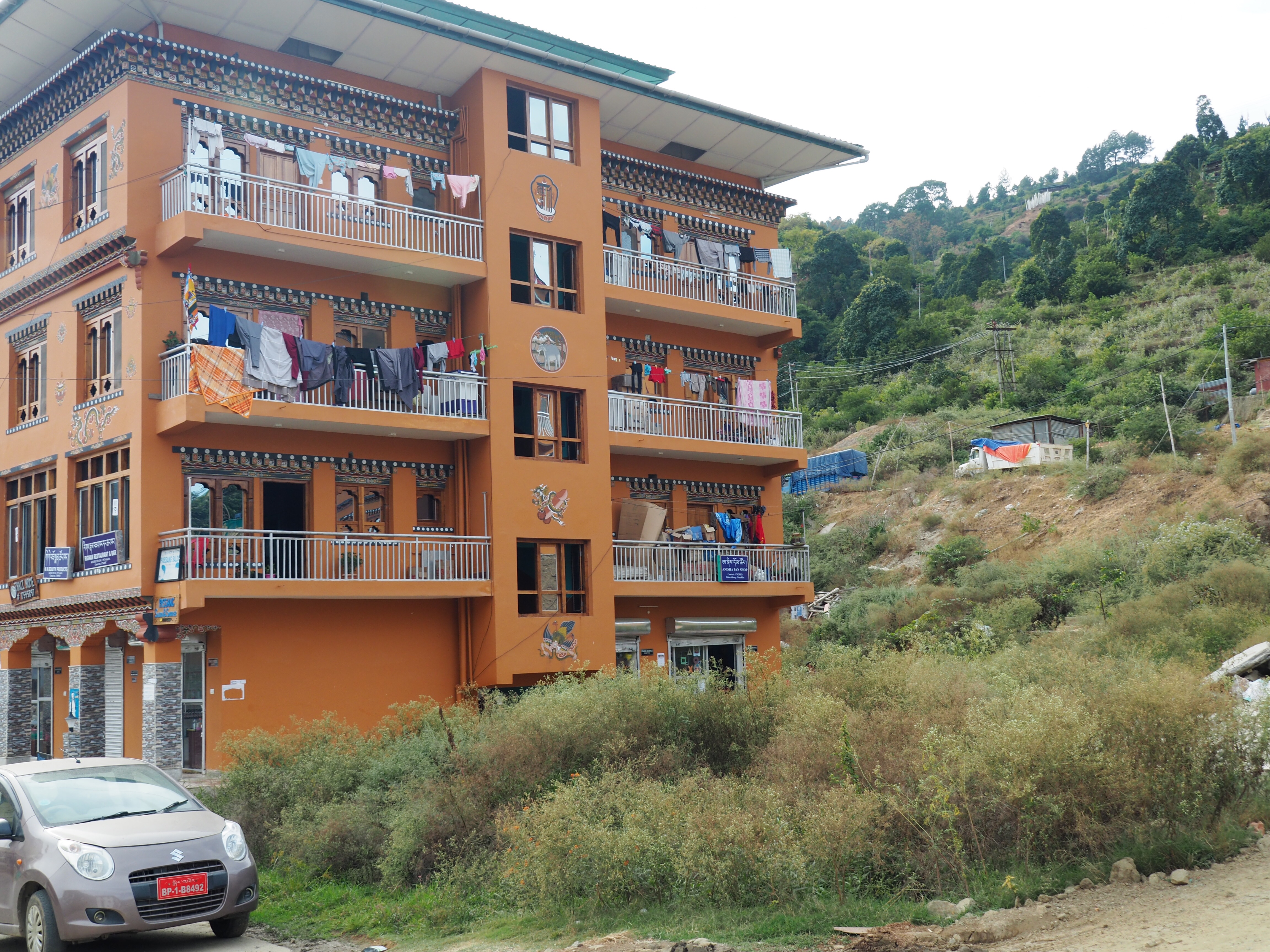
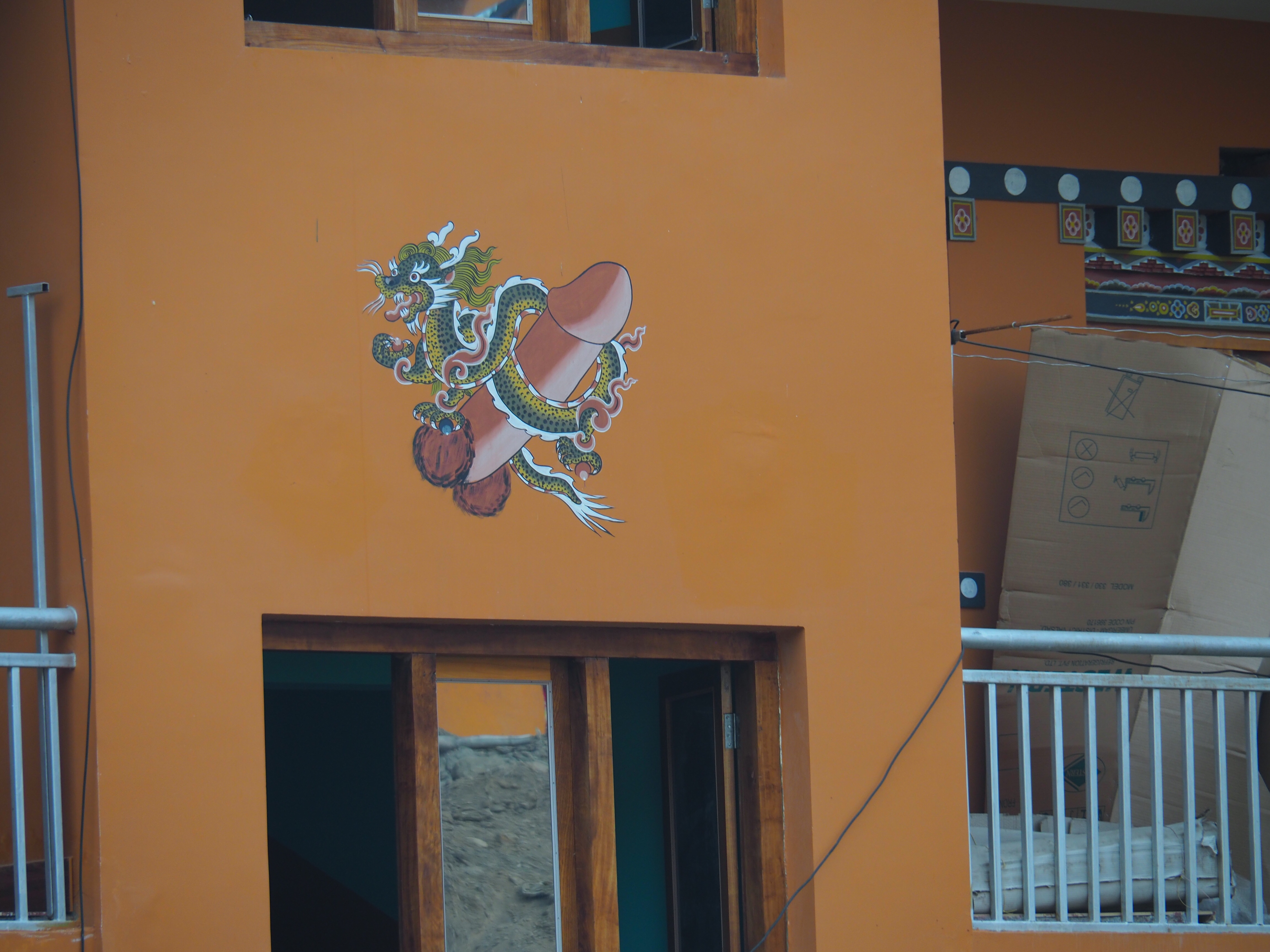
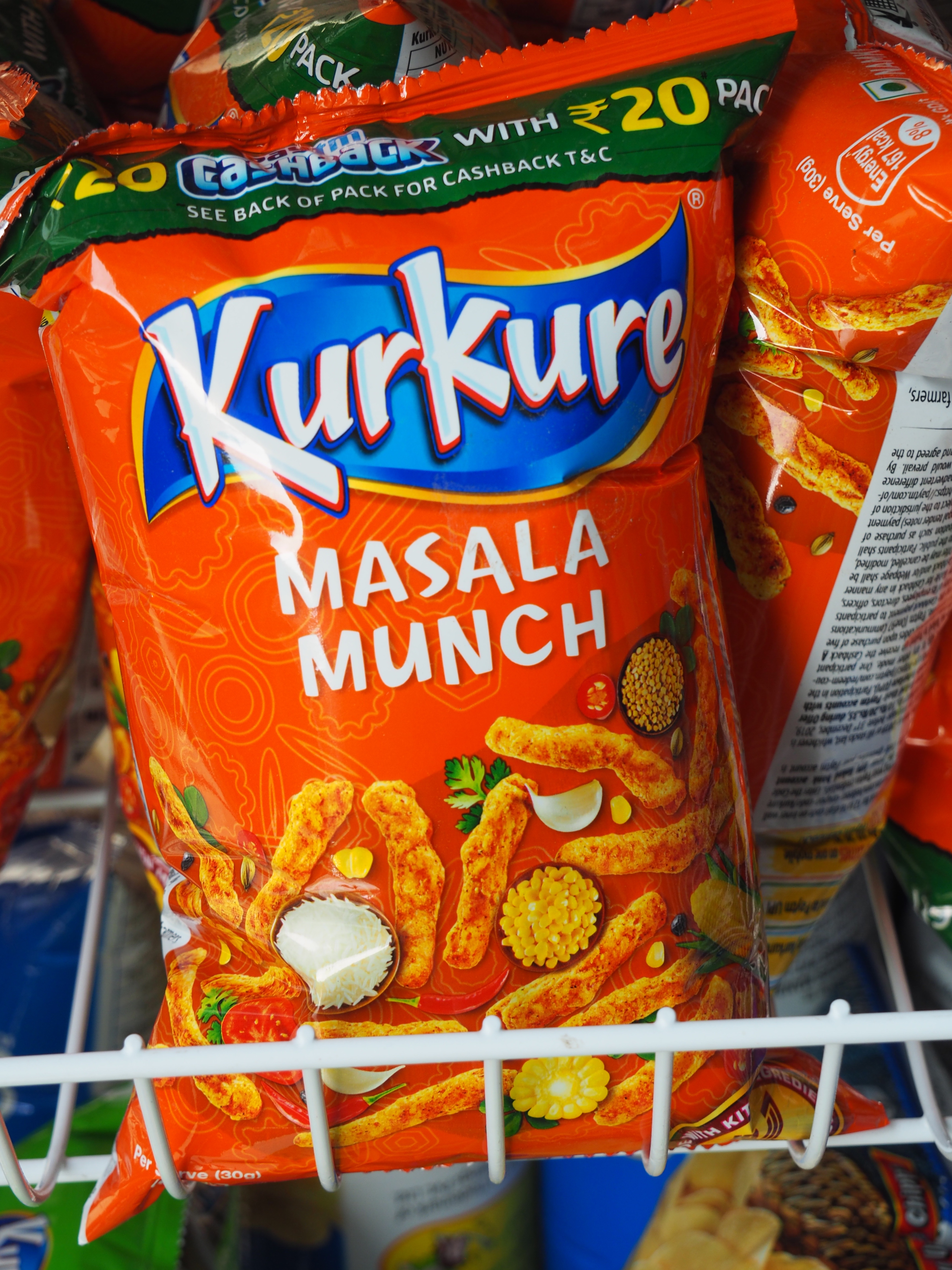
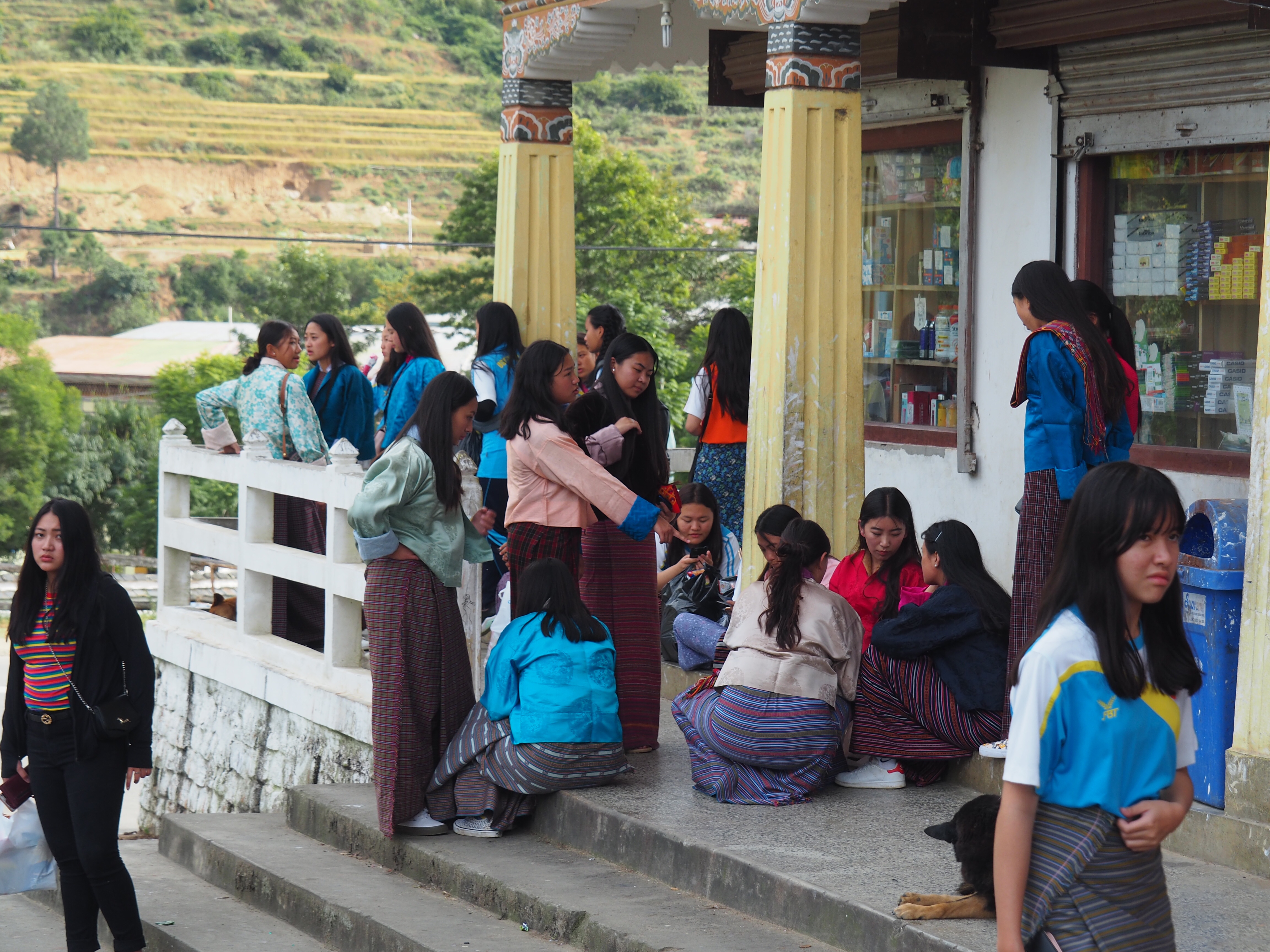
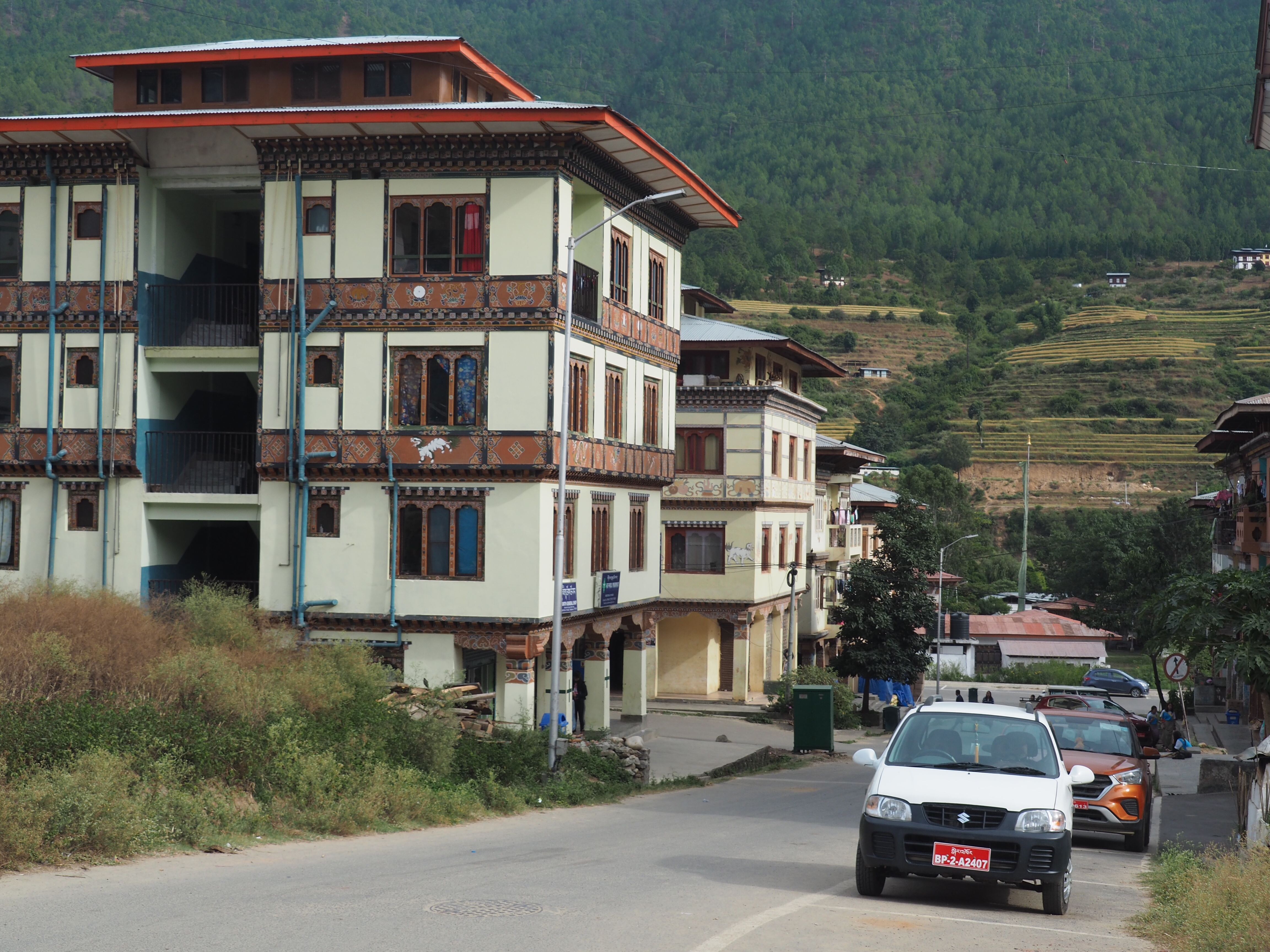
Since it took only about 45 minutes to see all that we needed to see in the town, we decided to come back to the hotel for some downtime.
Since I have a bit of time, let me attempt to explain what very little I know about Buddhism in Bhutan. I’m piecing things together from what I have learned from our guides and from the guidebooks I have read. The Buddhism they practice here is Tibetan Buddhism.
Here we go!
– Buddhism has four noble truths: suffering exists, suffering has a cause, suffering can end, and there is a path to the end of suffering.
– The eightfold path outlines a middle way, a path between the extremes of self indulgence and denial. The eight components are right understanding, right thought, right speech, right action, right livelihood, right effort, right mindfulness, and right concentration.
– The “Second Buddha” is the man who greatly expanded Buddhism in Bhutan. The first Buddha’s teachings were all oral, the second Buddha formalized his teachings.
– The Buddhists believe in reincarnation and it is important to use this life to build enough merit to avoid being reborn into one of three low realms.
– Death is important in Buddhism. It reminds people of their impermanence, death is an unavailable part of life. It does not, however, mean an end rather it means the passing into another life. Prayer flags are hoisted chortens (shrines) are built to bring merit to the person who died.
– A person is reborn into one of six different realms, three higher and three lower within 49 days of death. There are specific days within those 49 days when the family says prayer for the deceased.
– Karma is a word we all know. It comes from a Sanskrit word meaning action or deed. All actions have consequences and whether an action is good or bad depends upon the person’s intentions. Rebirth into different realms is determined by ones Karma. Buddhists believe in personal responsibility for shaping ones own destiny by accruing merits. This is the idea that drives Buddhists everyday life.
– The Buddhist community here is led by the chief abbot and he is assisted by five masters. The government pays to provide the basic accommodations and food. The monks can keep money they receive for performing rituals, such as what I mentioned above for the farmers. We learned that Mr Poo’s brother is one of the five masters!
– Families will try to send one son to be a monk because that will help create merits.
I have have mentioned the prayer flags that we have seen all over. These come in five colors: blue, green, red, yellow, and white symbolizing the elements of water, wood, fire, earth, and iron respectively. They also represent the five meditation Buddhas, the five wisdoms, the five directions, and the five emotions. (There are lots of groups of fives!) The prayer for the flag is carved into a wooden block and then printed on the cloth in a repeating pattern. Depending upon the type (below) all the flags used have the same prayers.
There are also four different types of flags!
– Goendhar flags are the smallest and are mounted on the rooftops of homes. They include blessings for the main protective deity of Bhutan.
– Lungdhar flags are the ones hoisted on hillsides and can be for good luck, to keep from getting sick, to celebrate an achievement, etc.
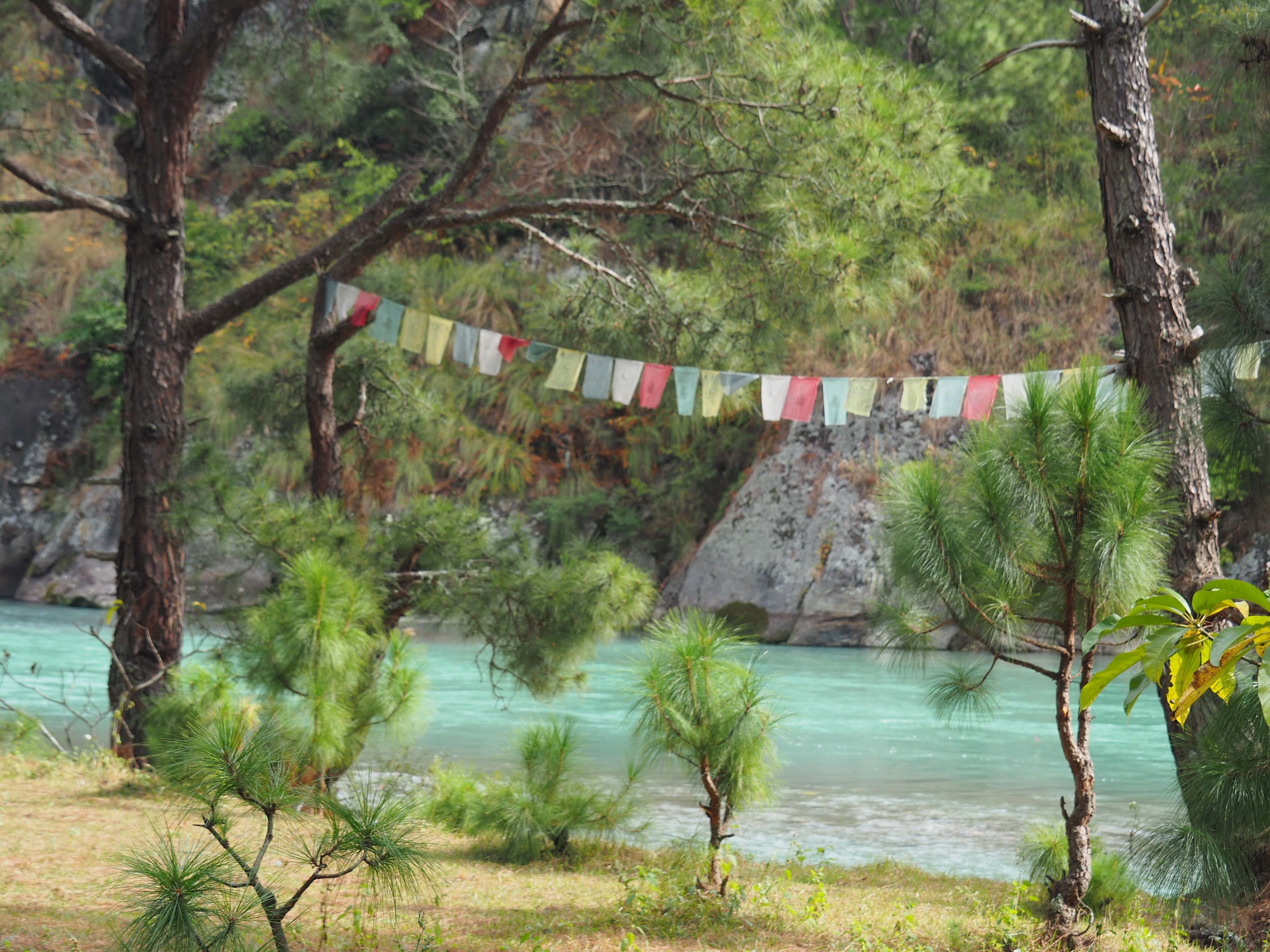
– Manidhar flags are the ones erected vertically in honor of a deceased person. (like the ones I showed in yesterday’s post. ) They are posted in groupings of 108 on hillsides from which a river can be seen so that the river will carry the prayers.
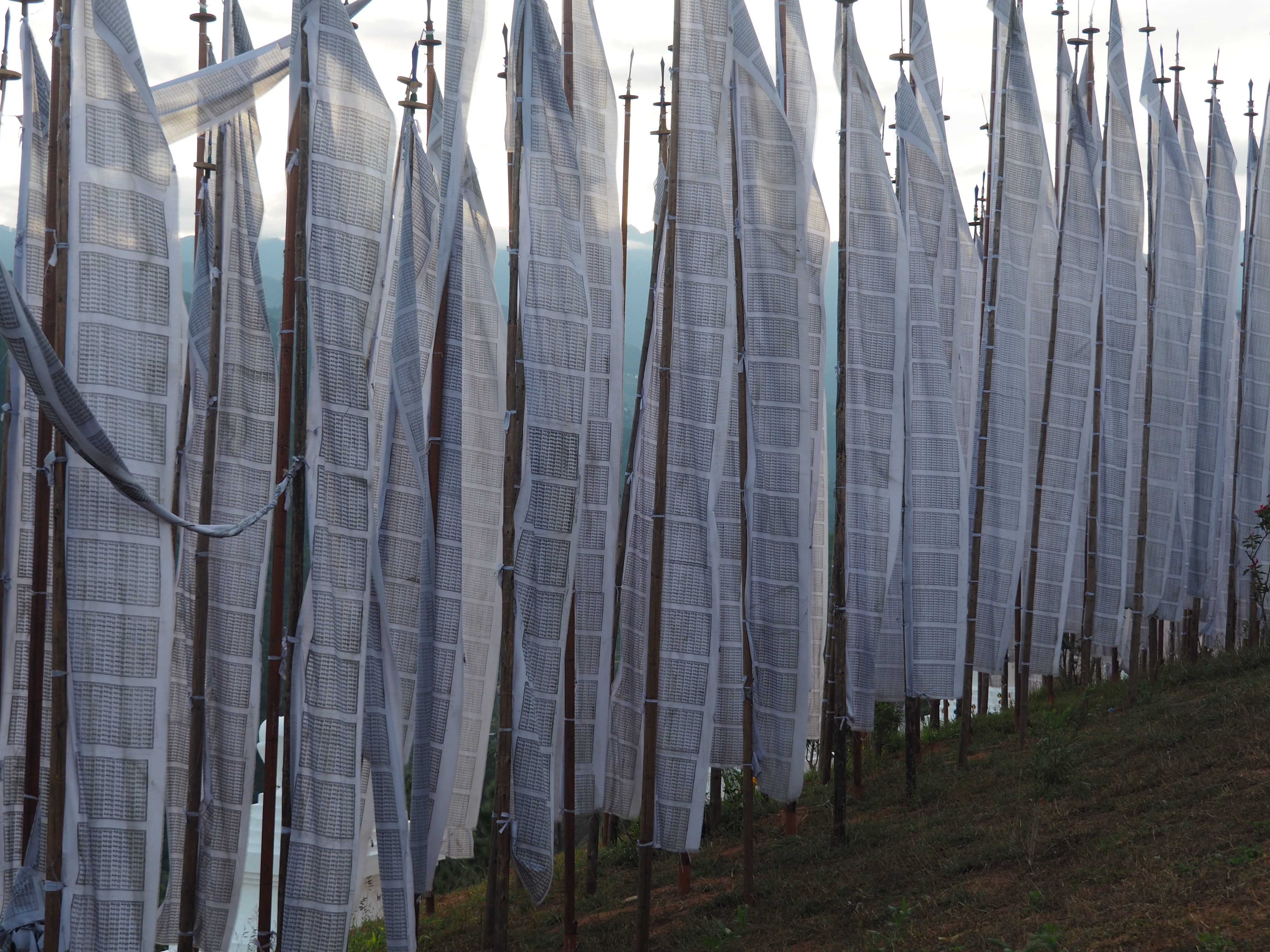
-Lhadhar flags are huge ones that are placed at Dzongs or other important places. They represent victory over the forces of evil. They don’t usually have any text.
That is certainly enough education for one day! I had time to write and so I did! We had dinner with Wang before he headed out for another night on the town with other guides playing snooker! He tells his wife that he is going to go to bed early but instead goes out. When I asked him yesterday if he misses his family while he is away, he says it is 50/50. He does miss them, but likes to get away as well. Even though Mr, Poo is from here, yesterday he wasn’t sure if he would tell his family that is he is home. It turns out that he did go see them.
Mr Poo doesn’t speak good English, but he understands. He heard us talking about walking sticks for the Tiger’s Nest walk. He went to his Village and got the the the walking sticks for us! I think he should get some credits for that!
By the end of the day, Kathy’s tracker showed that we had walked over six miles and climbed the equivalent of 49 flights of stairs.
This is more than enough for today. Tomorrow we go to Paro!
 jrhnepalandbhutan2019